Vietnam isn’t just famous for its breathtaking landscapes and delicious street food — it’s also one of the world’s coffee powerhouses. From the bustling streets of Hanoi to the tranquil cafés of Da Lat, Vietnamese coffee culture runs deep in daily life. It’s not just a drink; it’s a ritual, a social connector, and a symbol of Vietnamese identity.
A Brief History of Vietnamese Coffee
Coffee first arrived in Vietnam during the 19th century when French colonists introduced Arabica beans to the country. Over time, local farmers adapted the crop to Vietnam’s tropical climate, and Robusta beans became the dominant variety. Today, Vietnam is the world’s second-largest coffee exporter, known especially for its strong and bold Robusta flavor.
What makes Vietnamese coffee special isn’t just the bean — it’s the brewing method and the culture surrounding it.
The Iconic Phin Filter: Slow and Strong
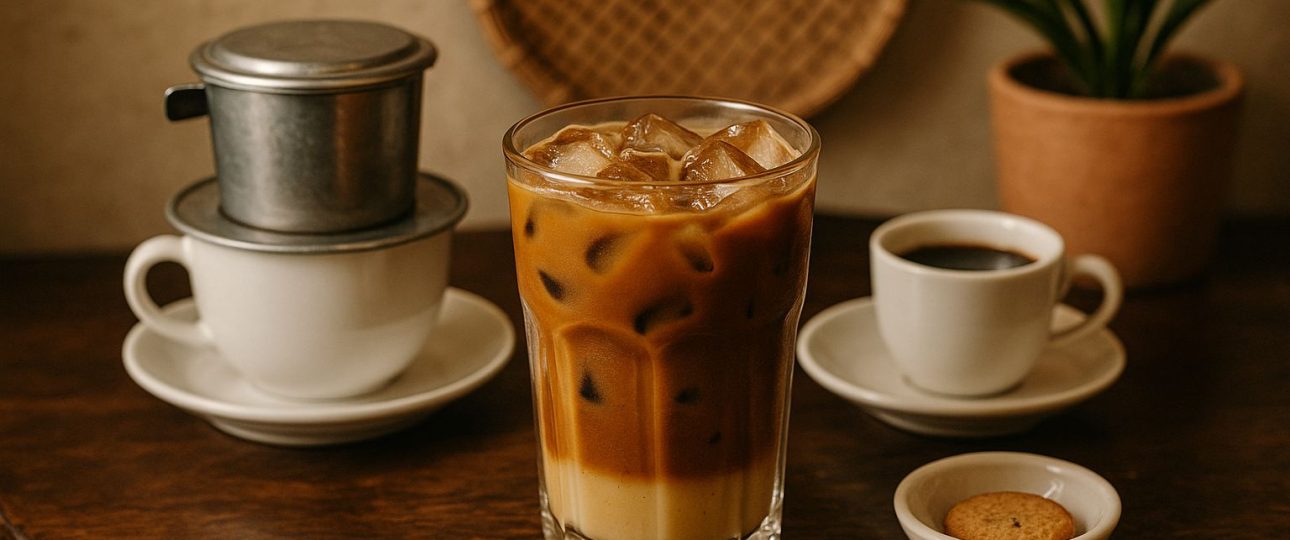
Unlike the fast-paced espresso machines of the West, Vietnamese coffee is traditionally brewed using a phin filter — a small metal drip filter that sits atop the cup. The process takes a few minutes as hot water slowly drips through the coffee grounds.
This slow drip method symbolizes patience and reflection — qualities that mirror the Vietnamese way of enjoying life. It’s not uncommon to see locals sitting for hours, chatting with friends, reading the newspaper, or simply watching the world go by while their coffee drips.
Popular Vietnamese Coffee Styles
Vietnamese coffee is versatile and comes in many creative forms. Here are some of the most beloved versions:
1. Cà phê sữa đá (Iced Milk Coffee)
Perhaps the most iconic version, this blend of strong black coffee and sweetened condensed milk over ice delivers a perfect balance of bitterness and sweetness. It’s refreshing, energizing, and utterly addictive.
2. Cà phê đen đá (Iced Black Coffee)
For purists who love bold flavors, this version skips the milk entirely. It’s strong, bitter, and smooth — perfect for a wake-up jolt in the morning.
3. Cà phê trứng (Egg Coffee)
A Hanoi specialty, egg coffee is a delightful fusion of coffee and dessert. It features a creamy foam made from whisked egg yolk, sugar, and condensed milk, poured over rich coffee. It’s like drinking liquid tiramisu!
4. Cà phê muối (Salt Coffee)
Originating from Hue, this newer trend adds a pinch of salt to enhance the coffee’s sweetness and reduce bitterness. It’s a must-try for adventurous coffee lovers.
Coffee Shops: The Heart of Social Life
In Vietnam, coffee isn’t just a caffeine fix — it’s a social experience. Cafés range from traditional street stalls with low plastic stools to elegant modern coffee houses with artistic interiors.
- In Hanoi, people love their morning cup on the sidewalk, chatting with friends and watching the city come alive.
- In Ho Chi Minh City, stylish coffee shops have become creative hubs for young professionals and entrepreneurs.
No matter where you go, coffee brings people together.
Vietnam’s Coffee Economy and Sustainability
Coffee is vital to Vietnam’s economy, employing millions of farmers, especially in the Central Highlands. Today, many producers are shifting towards sustainable farming, organic beans, and eco-friendly roasting techniques to meet global demand and environmental standards.
International brands like Starbucks and The Coffee House have embraced Vietnamese flavors, while local brands such as Trung Nguyên Legend and Highlands Coffee continue to promote Vietnam’s unique coffee identity around the world.
Why You Should Experience Vietnamese Coffee Culture
If you’re traveling to Vietnam, immersing yourself in its coffee culture is a must. Whether you’re sipping egg coffee in Hanoi’s Old Quarter, relaxing in a Da Lat garden café, or chatting with locals in a Saigon alley, every cup tells a story — of history, passion, and community.
So next time you take a sip of Vietnamese coffee, remember: it’s more than just a drink. It’s a piece of Vietnam’s heart.