Few things capture the essence of Vietnam quite like a steaming cup of tea. From the misty mountains of the north to the bustling streets of Hanoi and Saigon, tea is more than a drink — it’s a symbol of hospitality, harmony, and mindfulness.
If you’re planning a trip to Vietnam, exploring its tea culture offers a peaceful, flavorful way to connect with the country’s traditions.
In this guide, we’ll walk you through the history, customs, and best places to experience authentic Vietnamese tea culture.
The Origins of Vietnamese Tea Culture
Tea has been part of Vietnamese life for over a thousand years. The earliest tea trees, known as shan tuyết (snow tea), still grow wild in the misty highlands of northern provinces like Hà Giang, Yên Bái, and Sơn La. These ancient tea trees can be hundreds of years old, producing leaves coated with a fine white fuzz — hence the name “snow tea.”
Influenced by both Chinese and local traditions, tea drinking in Vietnam evolved into a daily ritual of simplicity and balance. Unlike the formal ceremonies of Japan or China, Vietnamese tea culture emphasizes comfort and connection — a shared moment between friends, family, or even strangers.
Tea in Everyday Vietnamese Life
In Vietnam, tea accompanies nearly every occasion:
- Morning ritual: Locals often start their day with a small pot of green tea to refresh the mind.
- Hospitality: Guests are always offered tea upon arrival — a gesture of warmth and respect.
- Conversations: From business meetings to family gatherings, tea is the silent companion that keeps conversations flowing.
- Spiritual reflection: In temples, monks and visitors share tea as part of mindfulness and meditation.
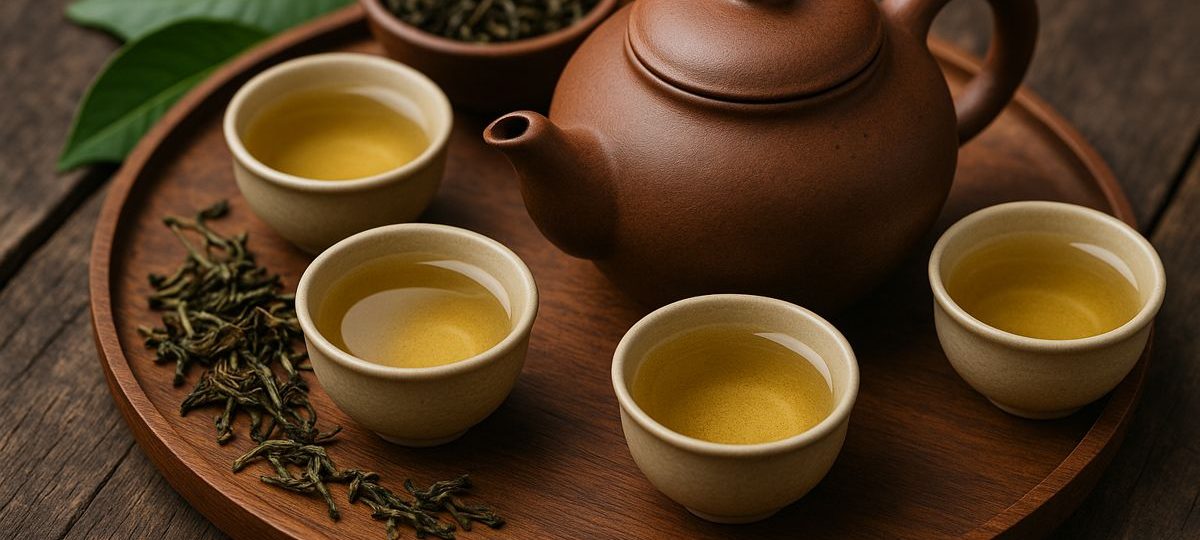
You’ll find tea served in small porcelain cups, poured from simple clay pots — often without sugar or milk, allowing the natural flavor to shine through.
Popular Types of Vietnamese Tea
Here are some of the most beloved varieties you can taste in Vietnam:
1. Green Tea (Trà Xanh)
The most common tea in Vietnam, trà xanh has a fresh, slightly bitter taste that locals adore. It’s often brewed strong and sipped throughout the day.
2. Lotus Tea (Trà Sen)
The queen of Vietnamese teas. Fresh green tea leaves are infused overnight with lotus flowers from Hanoi’s West Lake, giving a delicate, floral aroma. Traditionally, each lotus flower is carefully stuffed with tea leaves — a labor of love that makes this tea both rare and precious.
3. Jasmine Tea (Trà Nhài)
A soothing, aromatic blend that pairs beautifully with desserts or afternoon snacks. Popular in central and southern Vietnam.
4. Oolong Tea (Trà Ô Long)
Grown mainly in the highlands of Lâm Đồng (near Da Lat), this semi-oxidized tea has a smooth, honeyed flavor. It’s also the base for many Vietnamese milk teas.
5. Shan Tuyết Tea
Harvested from ancient tea trees in northern Vietnam, shan tuyết offers a unique, earthy taste with hints of mountain mist. A must-try for tea enthusiasts seeking something special.
Where to Experience Vietnamese Tea Culture
If you want to go beyond sipping tea at a café, here are some unforgettable ways to experience Vietnamese tea culture firsthand:
1. Visit a Tea Plantation in the Northern Highlands
Head to Hà Giang, Yên Bái, or Mộc Châu to see where the country’s finest teas are grown. Walk through mist-covered hills, meet local farmers, and watch traditional tea-making in action.
👉 Tip: Join a guided tour with Asia Explore JSC to visit authentic tea-growing villages and taste freshly brewed shan tuyết straight from the source.
2. Enjoy a Lotus Tea Experience at Hanoi’s West Lake
During lotus season (June to August), visit West Lake (Hồ Tây) to witness the delicate art of making trà sen. Some local tea houses even offer tea-tasting sessions on floating lotus boats — a serene, photogenic experience you’ll never forget.
3. Relax at a Traditional Tea House
Hanoi and Ho Chi Minh City boast charming tea houses that blend modern style with traditional aesthetics.
Try:
- Trà Thất 1995 (Hanoi) – For vintage ambiance and traditional tea sets.
- The Tea House by Chanchamayo (Saigon) – A cozy spot for premium teas and quiet reflection.
- Huong Sen Tea (Hue) – Perfect for pairing royal lotus tea with local sweets.
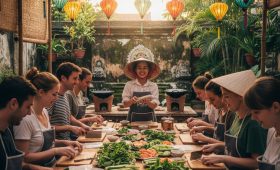
4. Attend a Tea Workshop
Learn how to brew Vietnamese tea the traditional way — from selecting the leaves to adjusting water temperature and infusion time. It’s a calming, cultural experience ideal for travelers seeking mindfulness and authenticity.
Tips for Enjoying Vietnamese Tea
- Drink slowly — savor the aroma before each sip.
- Avoid sugar or milk to experience the true flavor.
- Hold the cup with two hands as a sign of respect when receiving tea.
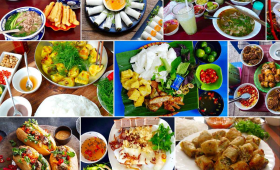
- Pair with local snacks like green rice (cốm), mooncakes, or dried fruits.
Experience Vietnam Beyond the Cup
Tea in Vietnam is more than a beverage — it’s a reflection of the nation’s soul: simple, graceful, and deeply connected to nature.
Whether you’re wandering Hanoi’s Old Quarter, trekking through the northern mountains, or watching sunset over West Lake, a cup of Vietnamese tea invites you to slow down and savor the moment.
If you’d like to include a tea experience in your Vietnam itinerary, Asia Explore JSC offers customizable cultural tours that bring you closer to the heart of local life — one cup at a time.
👉 Plan your journey at asiaexplore.com.vn